
Texas 72 Hour Booking Records
Texas 72 hour booking records are held at the county level by each Sheriff's Office across the state's 254 counties. When someone is arrested without a warrant, the jail logs the booking and holds the person while a magistrate makes a probable cause call. You can search for these records through county jail rosters, the DPS criminal history system, or by contacting the Sheriff's Office that made the arrest. Many counties now post their jail rosters on the web, giving you access to recent booking data, charges, and bond amounts from any device with an internet link.
Texas 72 Hour Booking Overview
What Texas 72 Hour Booking Records Show
A 72 hour booking record gets created each time a person is brought into a Texas county jail. The record starts at intake. It lists the full name of the person, date of birth, and the charges filed at the time of arrest. Bond amounts are set based on the charge level and the county's bond schedule. The booking log also notes the date and time the person came in, which starts the clock on the state's hold limits.
Most booking records are public. Texas law treats arrest data as open information. Anyone can ask for it. You do not need to be the person who was arrested or a relative. The Texas Attorney General's Open Government division puts out a Public Information Handbook that spells out what you can and cannot get from law enforcement. It covers the rules for arrest records and the few cases where data may be held back.
The DPS Crime Records Division acts as the state's main hub for criminal justice data. It runs the Computerized Criminal History System, which pulls in booking and arrest data from local jails across Texas. The Crime Records Division gives law enforcement round-the-clock access to these files and shares data with the FBI's national databases.
Here is a look at the DPS Crime Records Division portal, which serves as the state clearinghouse for booking and arrest data across all 254 Texas counties:
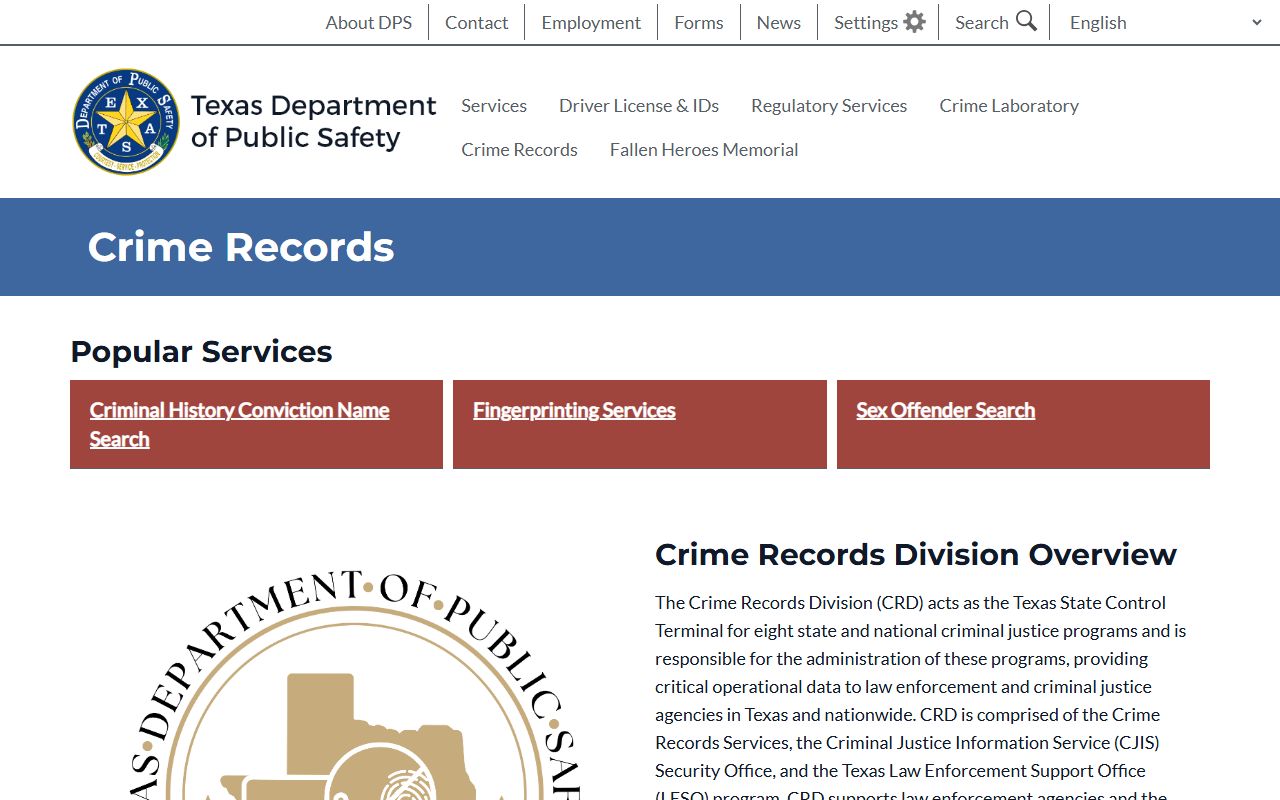
The Crime Records Division collects data from local agencies statewide and compiles it into searchable databases used by both law enforcement and the public.
How to Search 72 Hour Booking Records in Texas
There are a few ways to look up 72 hour booking records in Texas. The fastest route for most people is the county jail roster. Many Sheriff's Offices post their current inmate list on the web, and it gets refreshed as people come in and go out. You can search by name and see charges, bond info, and booking dates.
The DPS runs the Criminal History Conviction Name Search system. This lets you look up conviction records tied to a person. You need to make a free account first. Search credits cost $3 each, and credit card buys add a 2.25% fee plus $0.25 per credit. Each credit covers one search. Even if no match comes back, you still use a credit. Put in the first and last name at a bare minimum. Adding a date of birth or middle name helps get a tighter match.
Below is the DPS Criminal History Search page where you can look up Texas booking and conviction records by name:
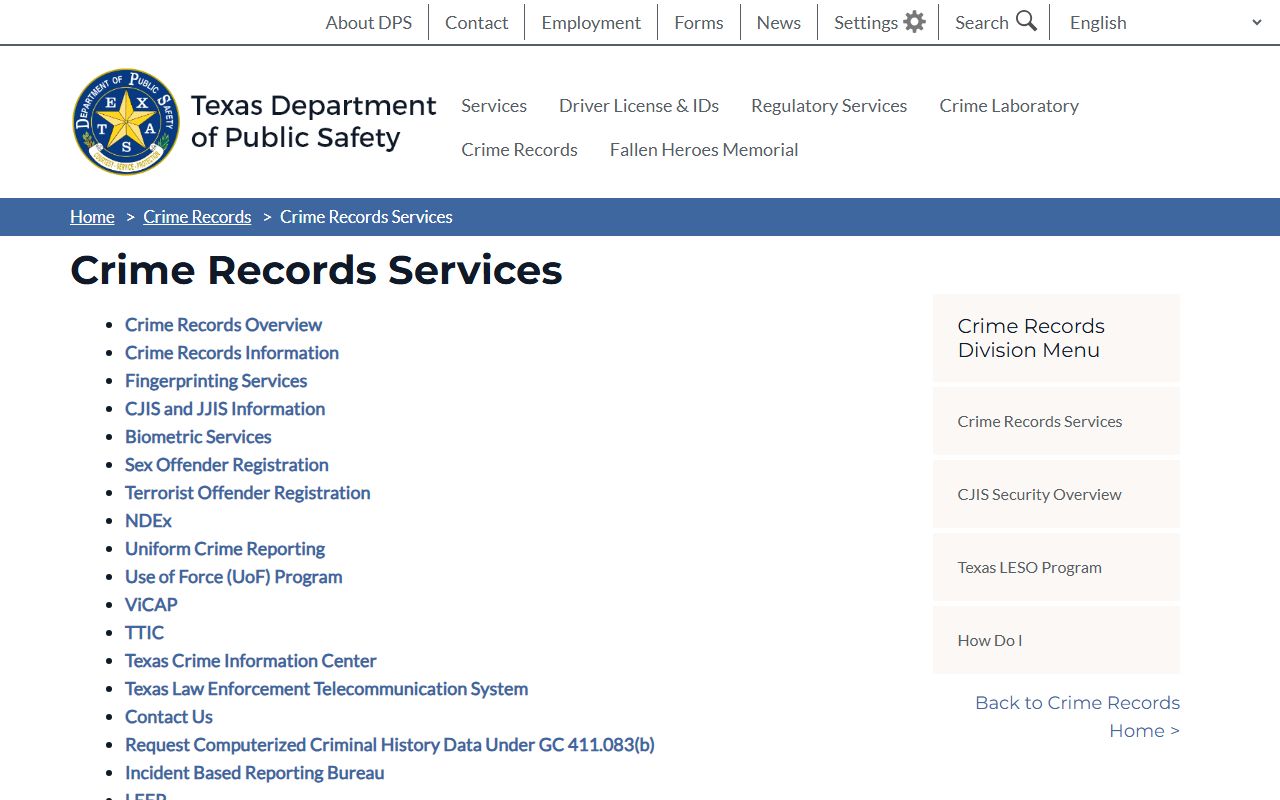
Search results show arrests, case dispositions, and prosecutions for class B misdemeanors and above. Records that lack a conviction or deferred adjudication are not public through this system.
You can also call or visit the Sheriff's Office in the county where the arrest took place. Staff can pull up booking records and make copies. Under Texas Government Code Chapter 552, the Texas Public Information Act, all persons have the right to inspect and copy arrest records. The agency must respond within ten business days.
Note: A "no matching record" result on the DPS system may mean the name was misspelled, the data is not in the database, or the record is not publicly available under state law.
Texas 72 Hour Booking Hold Laws
Article 17.033 of the Texas Code of Criminal Procedure sets the rules for how long someone can be held after a warrantless arrest. For a misdemeanor, the person must be released on bond within 24 hours if a magistrate has not found probable cause. The bond cap is $5,000. For a felony, the limit is 48 hours with a bond cap of $10,000.
But here is where the 72 hour part comes in. If the state asks, a magistrate can push back the release for up to 72 hours after the arrest. This happens when probable cause has not yet been set. The hold gives law enforcement more time to build their case before the person walks out on bond. That 72 hour window is the statutory basis for the term "72 hour booking."
The Texas Code of Criminal Procedure also covers when the clock starts. Below is the actual text of Article 17.033, which lays out the 72 hour hold rule:
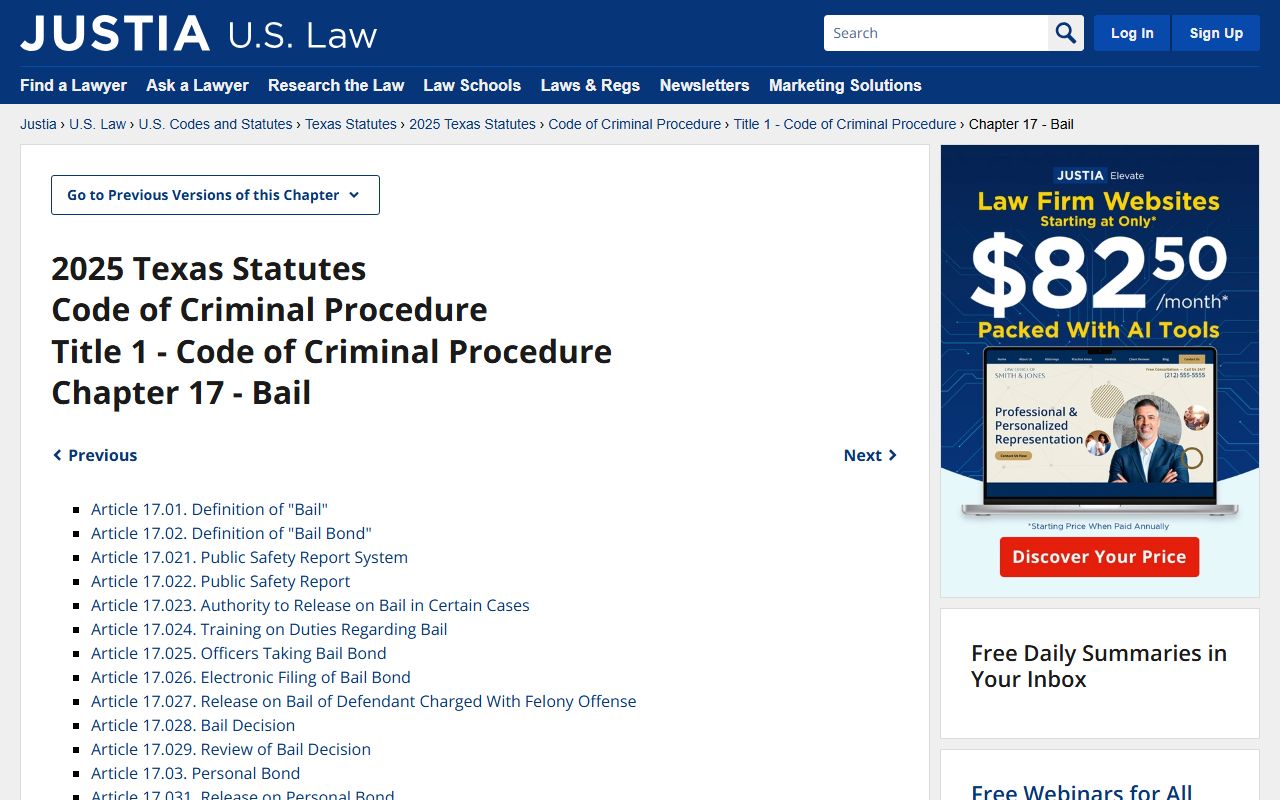
These time limits do not apply if the arrested person was taken to a medical facility first. In that case, the clock starts when they leave the hospital or clinic.
A separate rule under Article 14.06 says officers must bring the arrested person before a magistrate within 48 hours. No unnecessary delay is allowed. The magistrate then carries out the duties described in Article 15.17, which includes setting bail and advising the person of their rights. Under Texas Government Code Section 411.135, conviction and deferred adjudication records tied to these bookings are public data that DPS can share through the Criminal History search.
Inmate Search and Jail Roster Tools
The Texas Department of Criminal Justice runs an online inmate search tool. You can look for anyone held in the state prison system or on parole. Search by full name, TDCJ number, or SID number. The results show the person's age, unit, status, projected release date, and offense history. You can also see parole eligibility and prior parole decisions.
The TDCJ website is mostly for state prison inmates. County jail bookings are a different thing. Each county runs its own jail, and the Sheriff's Office keeps the booking log. For a recent 72 hour booking, start with the county jail roster or call the Sheriff's Office. TDCJ comes into play after someone is convicted and sent to state prison.
The TDCJ search portal lets you look up inmates held in the state prison system across Texas:

For questions about an inmate's status or release date, the TDCJ General Information Line is 936-295-6371 or 800-535-0283. The Board of Pardons and Paroles decides which inmates are granted early release.
Magistrate Hearings and 72 Hour Booking Holds
Every person arrested in Texas must go before a magistrate. Under Article 14.06, this must happen within 48 hours. All judges in Texas are magistrates under Article 2A.151 of the Code of Criminal Procedure. Their reach is coextensive with the county. The Texas Municipal Courts Education Center explains that magistrates handle the first steps in adult criminal cases.
At the hearing, the magistrate decides probable cause. They set bail. They tell the person about their right to counsel. If the person wants a lawyer but can't pay for one, the magistrate starts the appointment process. Under the Texas Fair Defense Act, the magistrate must send the request to the right court within 24 hours. County indigent defense plans lay out how this works at the local level, and the Texas Indigent Defense Commission keeps track of each county's plan.
Below is the Texas Indigent Defense Commission page showing how county plans handle 72 hour booking holds and counsel appointment:
If a probable cause finding has not been made and the state asks for more time, the magistrate can extend the hold to 72 hours under Article 17.033. This extension is not automatic. The state has to make the request.
Children taken into custody follow a separate path. Juvenile justice in Texas falls under Title 3 of the Family Code, not the criminal procedure code. Kids are not "magistrated" the same way adults are. The magistrate process page from the Municipal Courts Education Center covers these distinctions in detail:
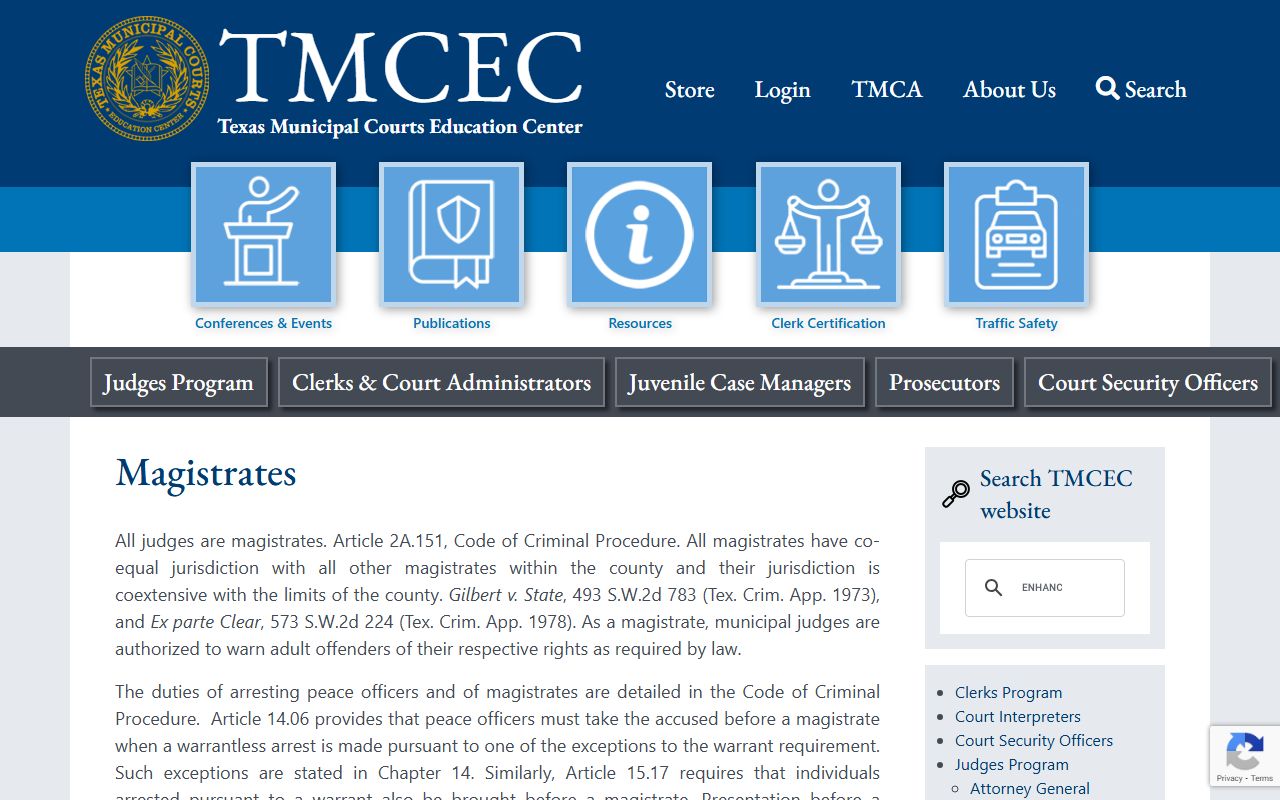
This resource lays out how peace officers must present the accused before a magistrate and the specific duties performed at that hearing.
VINE Custody Notifications in Texas
VINE stands for Victim Information and Notification Everyday. It is a free service that tracks custody status for jail inmates across Texas. You pick Texas from the state list, type in a name, and the system pulls up current booking data. You can then sign up for alerts. If the person is released, moved, or escapes, VINE sends a notice by phone, email, or text.
VINE works around the clock and covers most Texas counties. It is a useful tool when you need to stay current on the status of someone held on a 72 hour booking. The service runs in both English and Spanish.
The VINE search page lets you look up inmate custody status and set up free alerts for any Texas county:
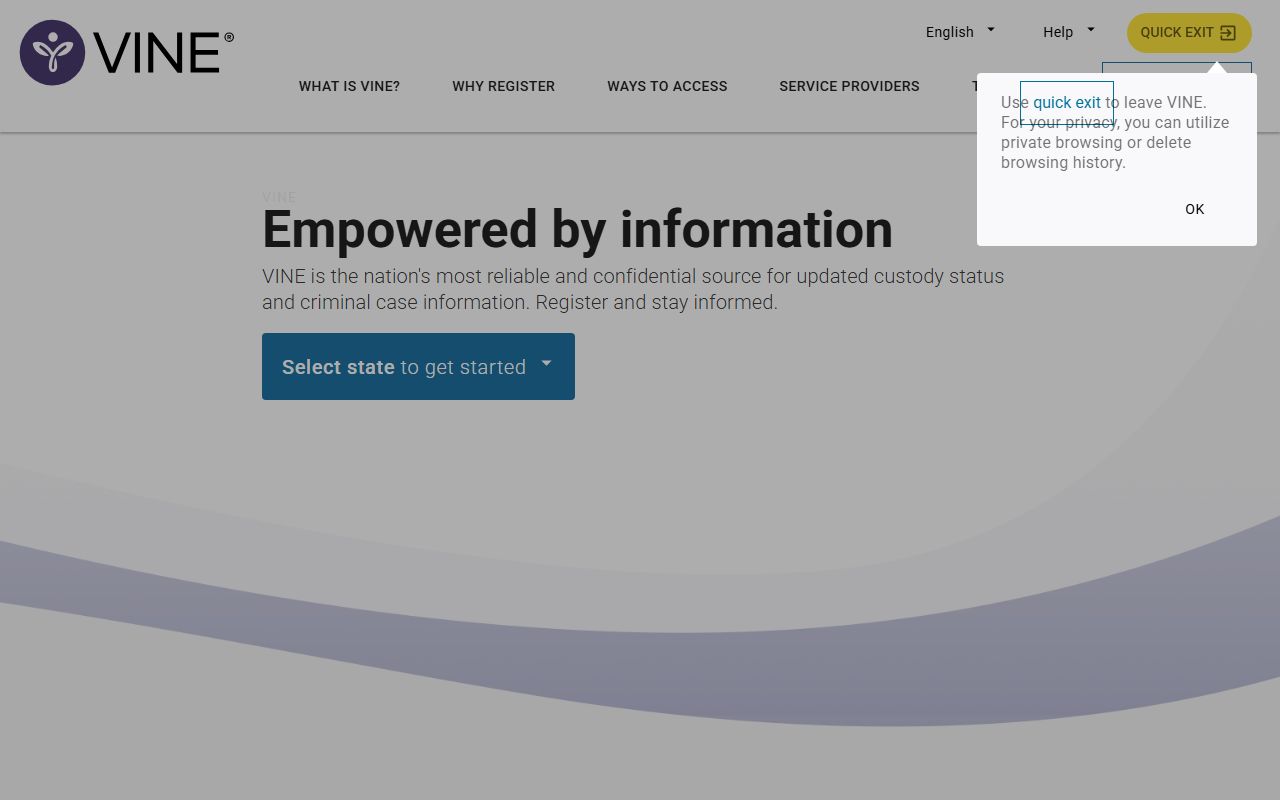
Registration is free. You can track more than one person at a time if needed.
Public Access to 72 Hour Booking Data
Texas has strong open records laws. Under the Texas Public Information Act, arrest records are public. You do not need a reason to ask. You do not need to live in Texas. Agencies must respond within ten business days. The Attorney General's office publishes a handbook that covers what you can request, what the agency can hold back, and how to challenge a denial.
The Texas Attorney General's Open Government page provides guidance on how to access arrest and 72 hour booking records under state law:

The handbook covers the exceptions too. Law enforcement can withhold records if release would interfere with an active investigation or prosecution. Section 552.108 of the Government Code addresses this exception.
Under Texas Government Code Section 411.083, most criminal history data held by DPS is confidential. But Section 411.135 carves out an exception for conviction and deferred adjudication records. Those are public. The DPS Crime Records Division can share them through the Criminal History search tool. If you are the subject of the record, you can also request your own full criminal history through the Crime Records Service Criminal History Inquiry Unit at (512) 424-5079. There is a fee for that service. Unauthorized use of criminal history data is a crime under Section 411.085.
Note: The Texas Commission on Jail Standards investigates complaints about jail conditions and booking procedures. Mail complaints to P.O. Box 12985, Austin, TX 78711.
Browse Texas 72 Hour Booking Records by County
Each of the 254 Texas counties has its own Sheriff's Office that handles bookings and jail records. Pick a county below to find local contact info and resources for 72 hour booking records in that area.
72 Hour Booking Records in Major Texas Cities
City police departments make arrests, but booking happens at the county jail. Pick a city below to find out which county handles 72 hour booking records for that area.